


Minna Glendenning (1870-1943) and perhaps Robert Dorcus (1851-1923). Minna was the postmistress in Harvey Station for many years. Robert was the son of Andrew and Mary Virtue. In the 1881

A recent donation to the Harvey Heritage Office includes 16 milk bottles in 2 boxes, each labeled with Harvey Creamery Ltd. These reusable glass bottles were once used to deliver
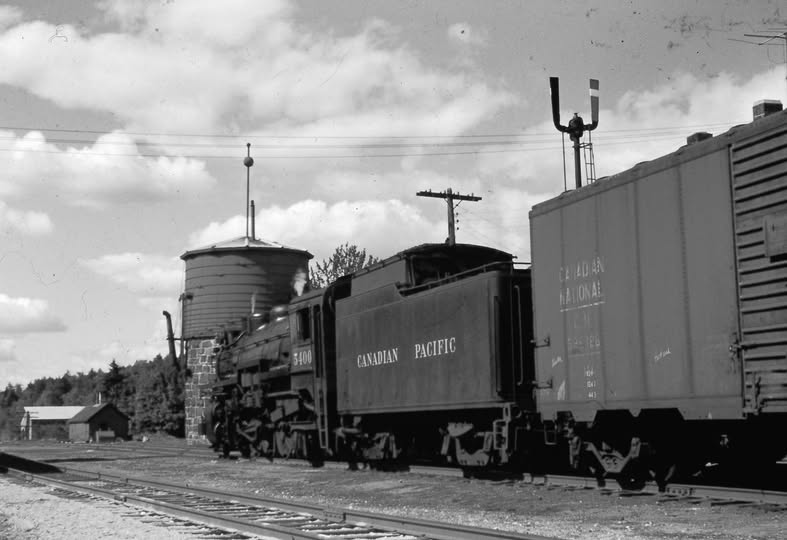
Canadian Pacific steam locomotive #5400 in the heart of Harvey Station, NB. Photo was bought on eBay by David Watson. Note the water tower to the left.
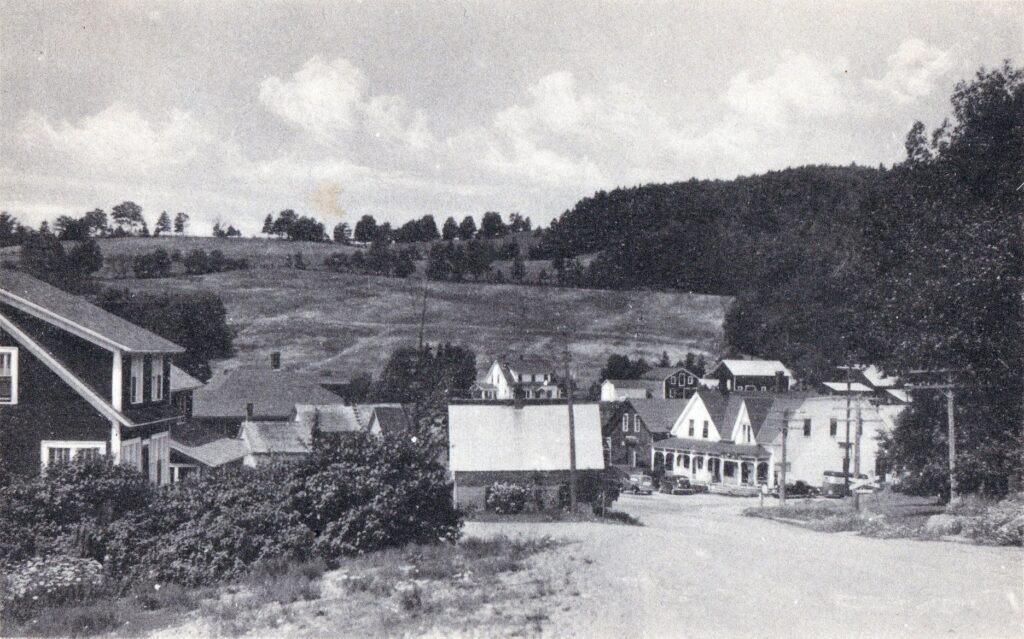
This postcard, mailed on Jul 13, 1949, shows Harvey Station looking East. The iconic WWE Smith Country Store is clearly visible right of centre. Notably, the background fields on the
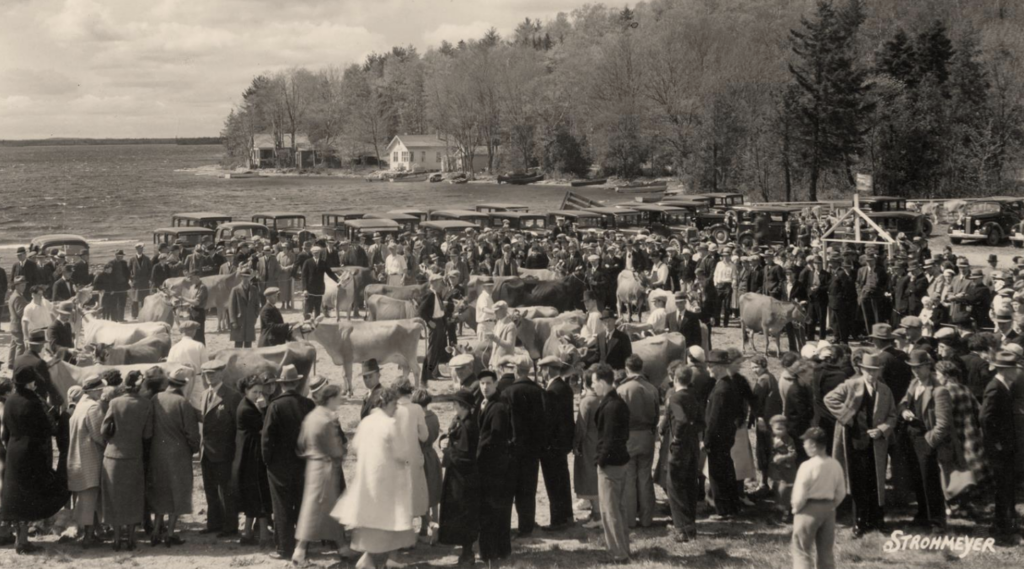
Harvey Lake offers a beautiful beach open for public use. Gatherings, fairs, and other recreational activities have made good use of the area for well over a hundred years. Photo:
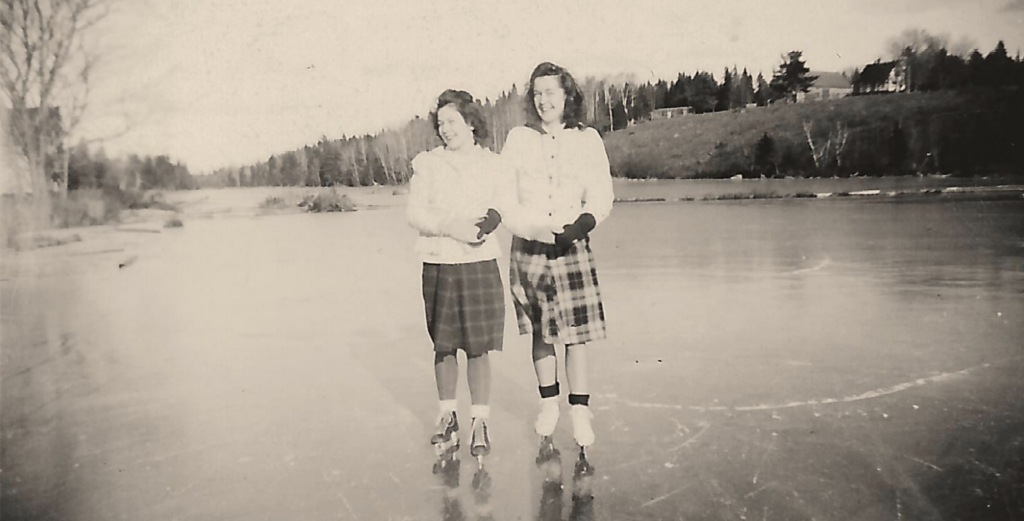
As the area became more settled, people started enjoying the lakes for year-round recreational purposes. Photo: Taken around 1940, two young women are skating on the mill pond at Upper Mills
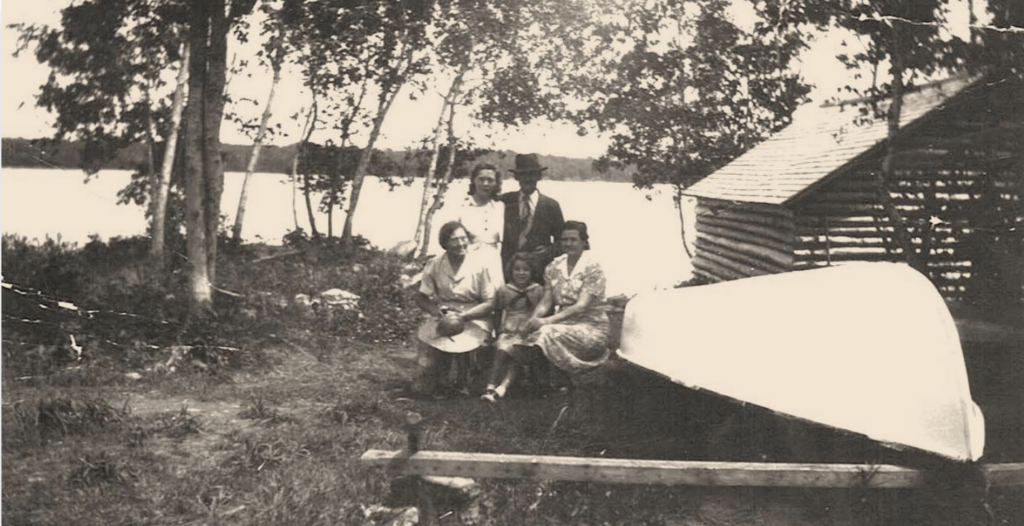
Oromocto Lake is part of the Oromocto watershed flowing into the Oromocto River which then empties into the Wolastoq/ Saint John River. The name Oromocto is thought to be derived
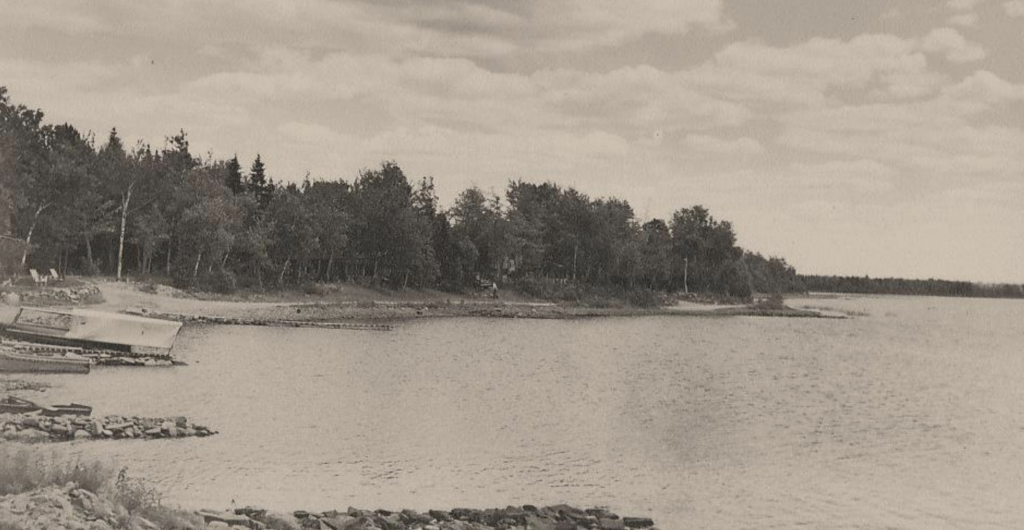
From the very early days, people have valued the beauty and serenity of lakes like Lake George, called Seven Mile Lake on early maps from the late 1700s and early
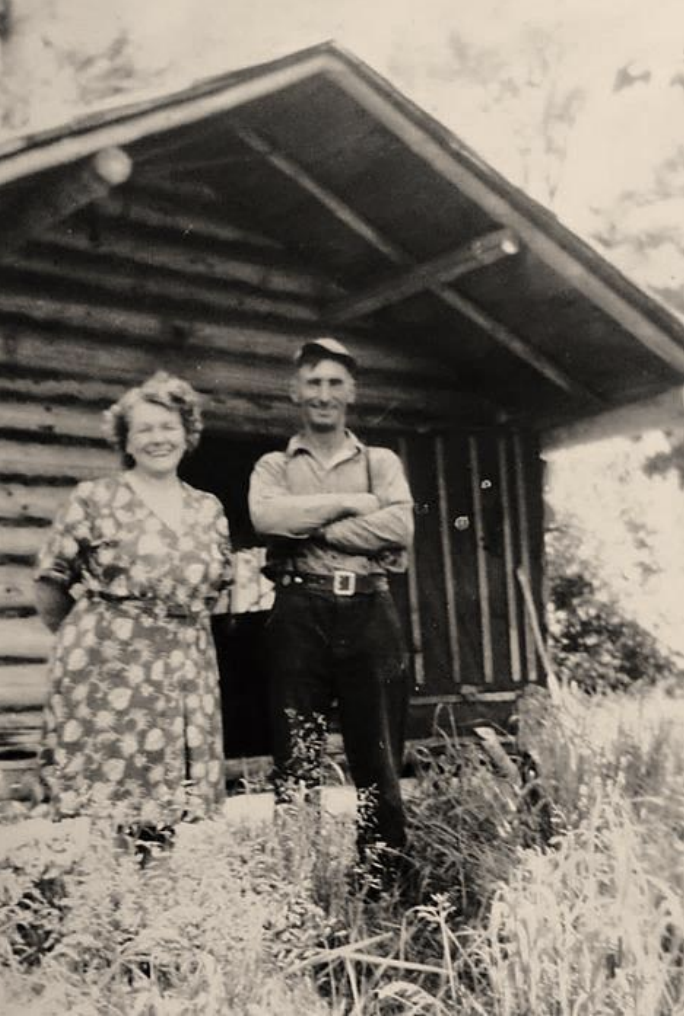
Fishing, boating and swimming became popular summer pastimes. Cottages sprang up around the lakes. Businesses like rental cabins and canteens were established to service the seasonal residents. More recently, many
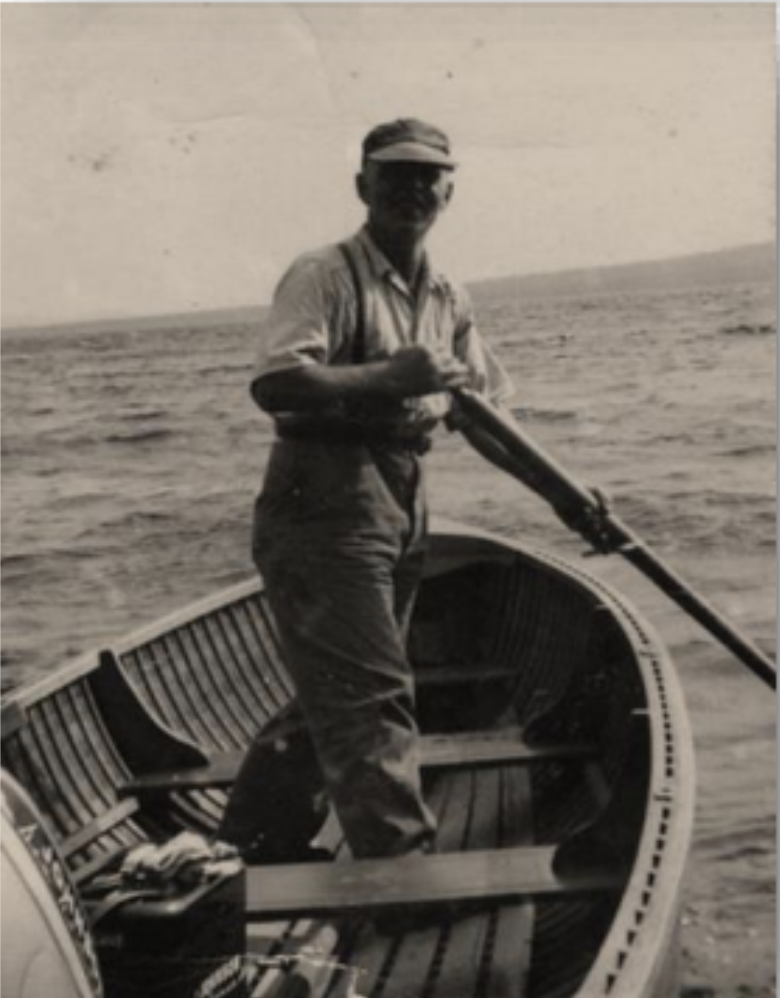
Magaguadavic is thought to be an indigenous name meaning “river of eels”. In 1797, surveyors named it Loon Lake but also identified it as Magagawdawagum, as an indigenous name derived
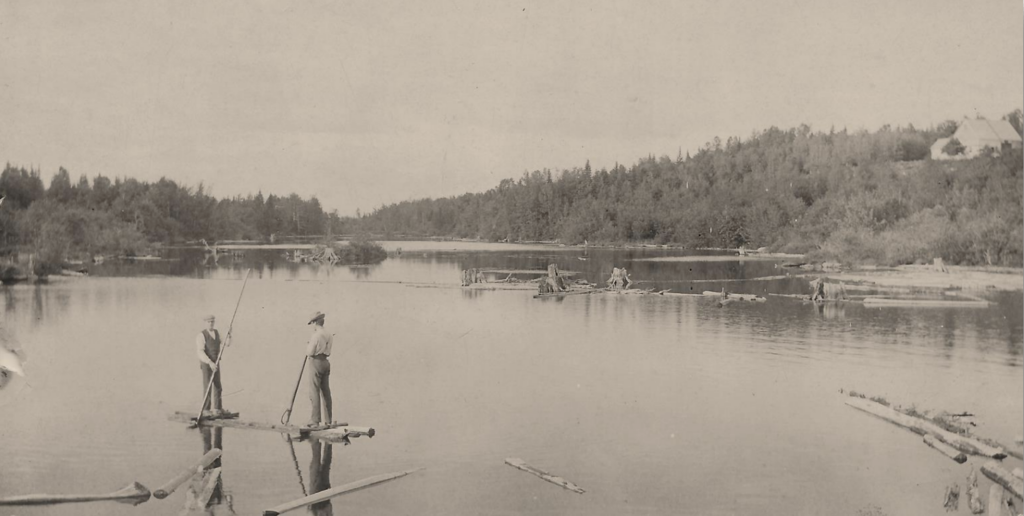
Magaguadavic River flows out of Magaguadavic Lake and runs to the Passamaquody Bay forming the Magaguadavic Watershed. It and its branches were used to power several mills in the Harvey
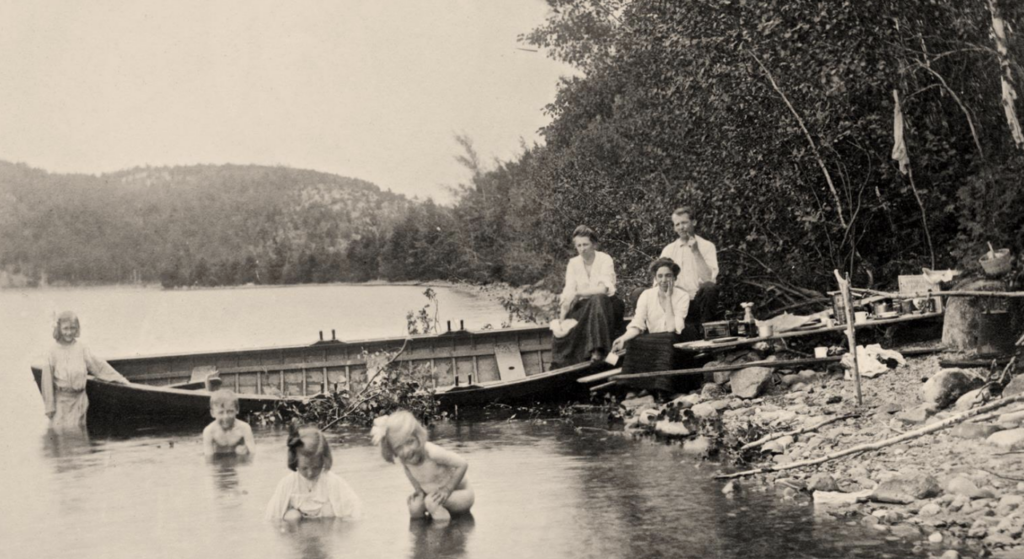
Harvey Lake was originally named Bear Lake and Second Harvey Lake, Cranberry Lake, by surveyors in 1797. Their names evolved to Cranberry Lake and Little Cranberry Lake, before becoming known
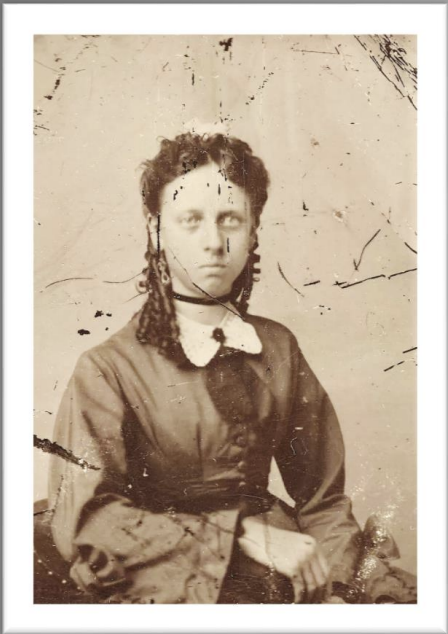
Undated photo of Angelina “Gelena” Little (1863-1891), daughter of Matthew Little and Isabella Hay.
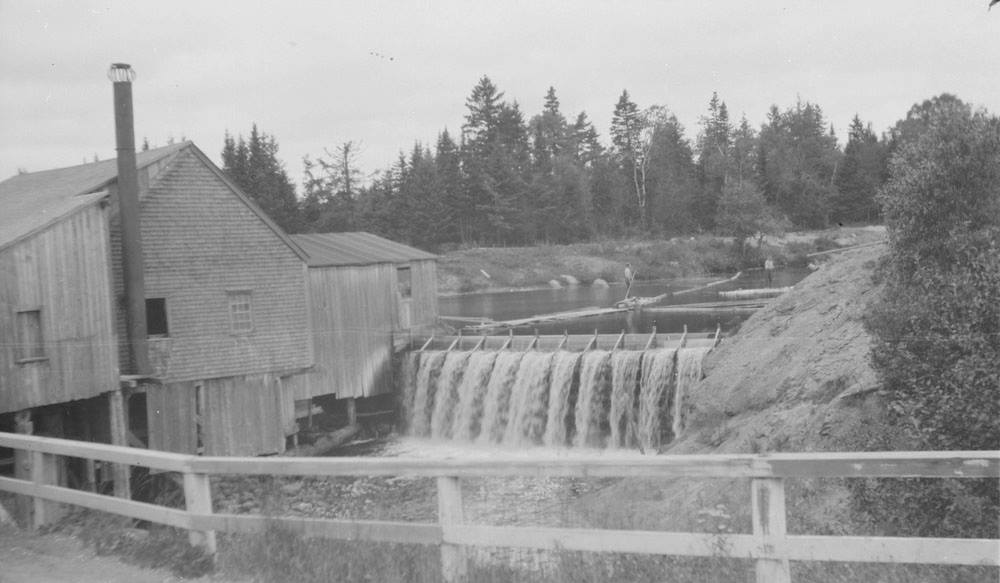
Photo of Amos Little & Son Sawmills, York Mills, N.B. This photo was taken sometime between 1920 and 1931. Credit: Canada. Dept. of Interior / Library and Archives Canada /
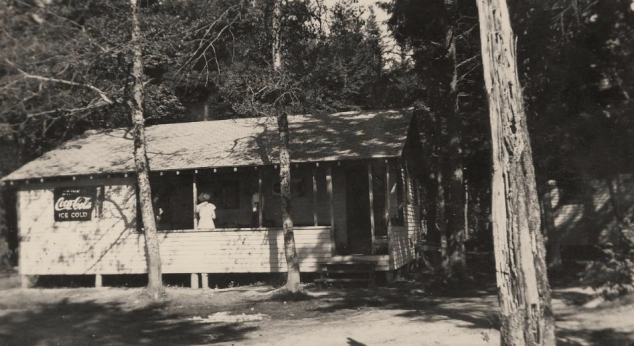
Fishing, boating and swimming became popular summer pastimes. Cottages sprang up around the lakes. Businesses like rental cabins and canteens were established to service the seasonal residents. More recently, many
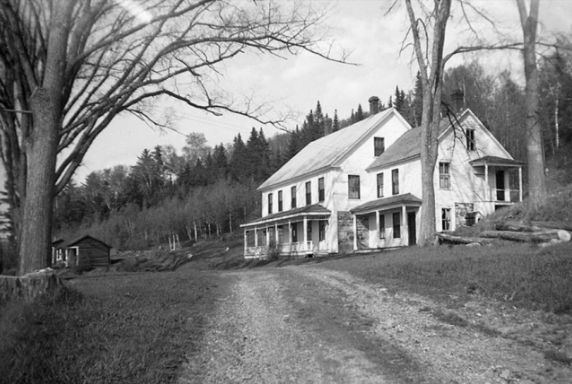
The colonial settlements of Long’s Creek and Prince William were established by Loyalists after the American Revolutionary War in the late 1780s. They were located close to the Wolastoq/Saint John
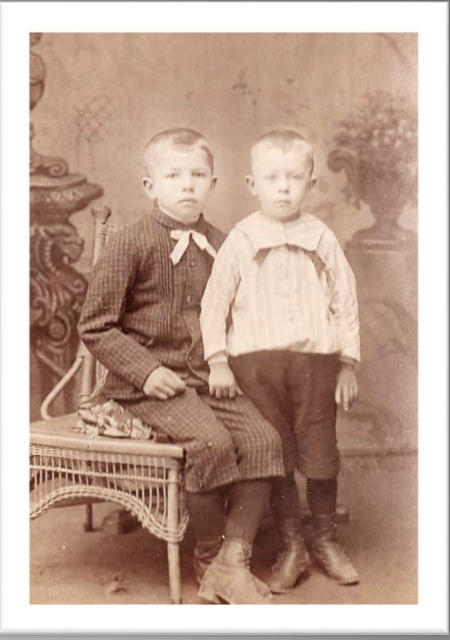
Circa 1890 photo of Guy Amos Little (1882-1956) and Lorne Angus Little (1886-1974), sons of Amos Little and Elizabeth Leslie Coburn. Lorne married Mina Little and Guy married Vivian Little,
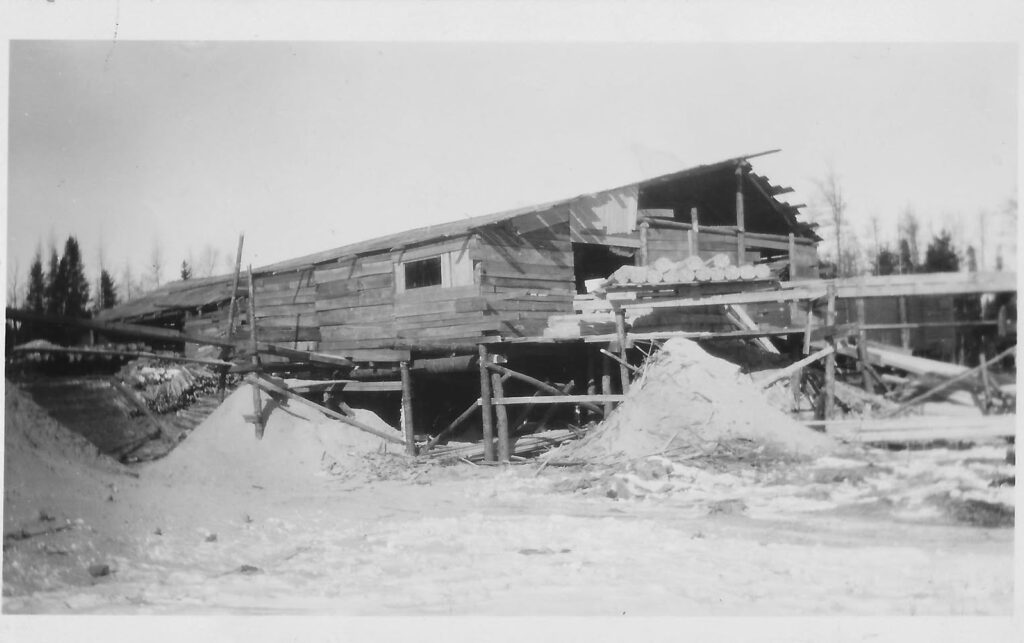
From the collection of Ruth ( Piercy) Craig. Murray’s Sawmill is located north of Lewis Swan’s house on same side of road. Ruth Craig said it was operating by 1929
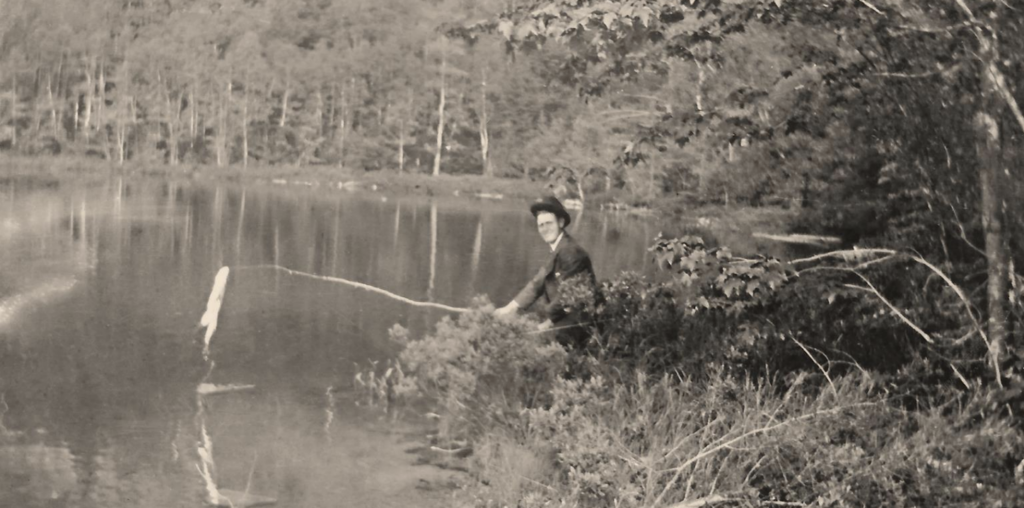
In 1920, Harry Robison fishing at a lake known as Rosborough Lake located at the foot of Bald Mountain at the end of a dirt road leading from Route 3.
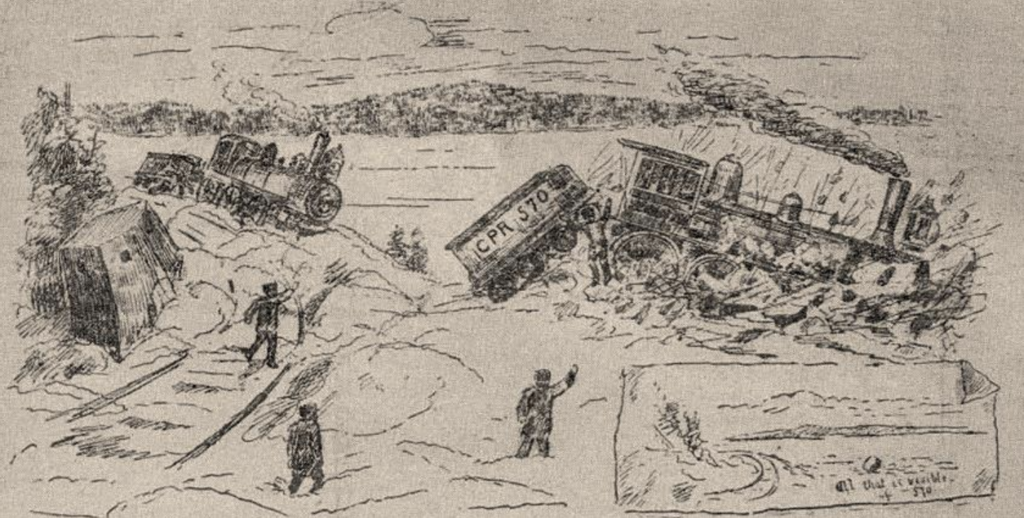
Train tracks run beside Cherry Hill on the edge of Harvey Lake. In 1894, a dramatic and tragic event happened along that stretch resulting in a fatality. The Daily Telegraph
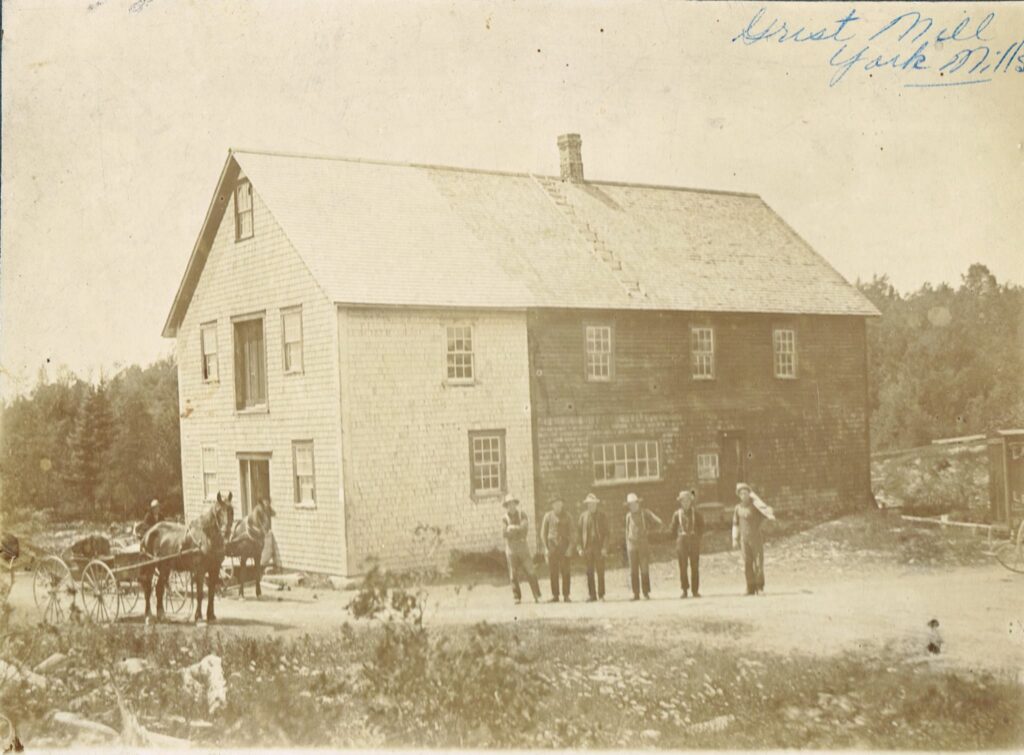
Undated photo of the Grist Mill in York Mills built by George Lister. From The Daily Gleaner, 14 July 1937: “About the year 1857, George Lister (1823-1891) built the first
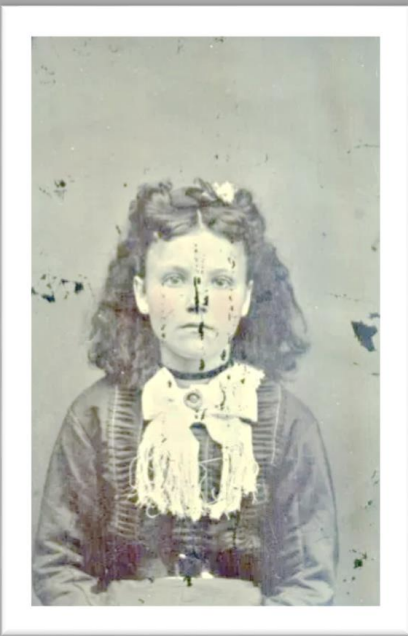
Mary Ann Coburn (1859-1908), daughter of Thomas Cockburn/Coburn and Nancy Johnston, wife of Alexander Little (son of Matthew Little and Isabella Hay) and mother of nine children. This photo was
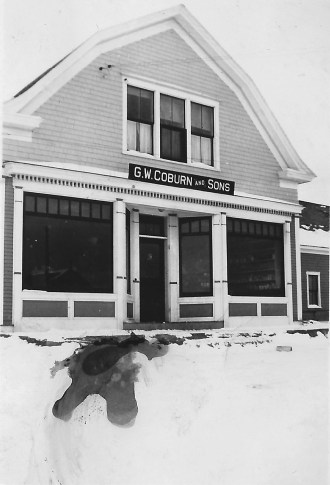
John Piercy was the founder of a store which did business in groceries, dry goods and general supplies. When John and his family moved to British Columbia around 1875, the

Dedicated in 1890, the church was so called because the community was represented by several denominations such as Methodist, Presbyterian, Baptist, Congregational, and Plymouth Brethren, and it was to be

Scottish immigrants, Alexander Lawson and John McGeorge came to settle Lake George, along the current Route 635, in around 1817 followed by a number of other settlers. (Source: “Lake George,